


January is upon us, and if you’ve spent any time at all on social media over the past week, we’ll bet that you’ve been bombarded with an inordinate amount of “new year, new me” content. We’re told that January is the time to reset our lives in order to achieve great things; that we must “rebrand” into better, more successful versions of ourselves.
Yet, if we look to nature for inspiration, we’ll see a very different reality. The natural world doesn’t jump into action as soon as the clock strikes midnight on New Year's Eve: hibernating animals stay nestled in their dens, trees remain bereft of their leaves, and the vibrant blooms of spring are nothing but a distant promise.
In nature, winter is the season of dormancy; most species of plant lie abeyant due to low temperatures and lack of sunlight. We know that both of these environmental factors also influence the circadian rhythms of humans [1], so why do we insist on upping gears at a time when everything else rests?
What is a Circadian Rhythm?
A Circadian Rhythm is the human body’s “internal clock”, so to speak; an internal biological process that naturally occurs on a 24-hour cycle.
Circadian rhythms are controlled by a group of neurons in the brain called the suprachiasmatic nucleus (SCN), and these neurons take their cues from our external environment. [2]
For example, when our eyes are exposed to sunlight in the morning, this information is transmitted to our brain, which signals to our SCN that it’s time to shut off the production of melatonin (our sleep hormone) and trigger a spike in cortisol to help us wake up. [3]
How Winter Impacts Our Circadian Rhythm
Many of our bodily functions are influenced by our circadian rhythm, including our cardiovascular functions, hormone secretion, metabolism, and, of course, our sleep cycle. [4]
Sunlight plays a key role in managing our circadian rhythms- natural light signals to the body when it is time to wake, and when it is time to sleep. During the winter months, the sun rises later and sets earlier which can often translate to many of us feeling groggier in the mornings, and generally more fatigued throughout the day.
When we’re looking at setting New Year’s Resolutions, it only makes sense to take into account that seasonal environmental factors directly influence our physical health. The current shortage of daylight hours means that January isn’t the best time to attempt to join the 5AM club; in fact, it’s probably the worst time to do so.
Now, this isn’t to say that there isn’t any value in setting some New Year’s Resolutions; it’s entirely natural to want to make some changes after a few weeks of eating, drinking, and being a general couch potato.
But rather than trying to overhaul your entire life overnight, the best thing you can do for yourself at this time of year is to develop and maintain a simple, consistent daily routine. Why? Because maintaining a regular routine supports your circadian rhythm, helps regulate your hormones and improves your digestive health. [5]
How Can I Support My Circadian Rhythm During Winter?
The key to supporting your circadian rhythm is all in the timing; it needn’t be exact, but try to wake, eat, and sleep at similar times every day for a week and pay attention to how much better you feel.
Wake at the same time each morning, making sure to open your curtains or take a walk first thing so that you expose yourself to the natural sunlight and trigger your wake response as soon as possible.
It takes about 30-45 minutes for your cortisol to kick in after light exposure, so the sooner you get outside the better. [6]
Given that the sun sets between 4 and 5pm throughout January, it can be difficult for your body to know when it’s time to go to sleep. A regular evening routine can help support your circadian rhythm, improve your quality of sleep, and increase your energy levels the following day.
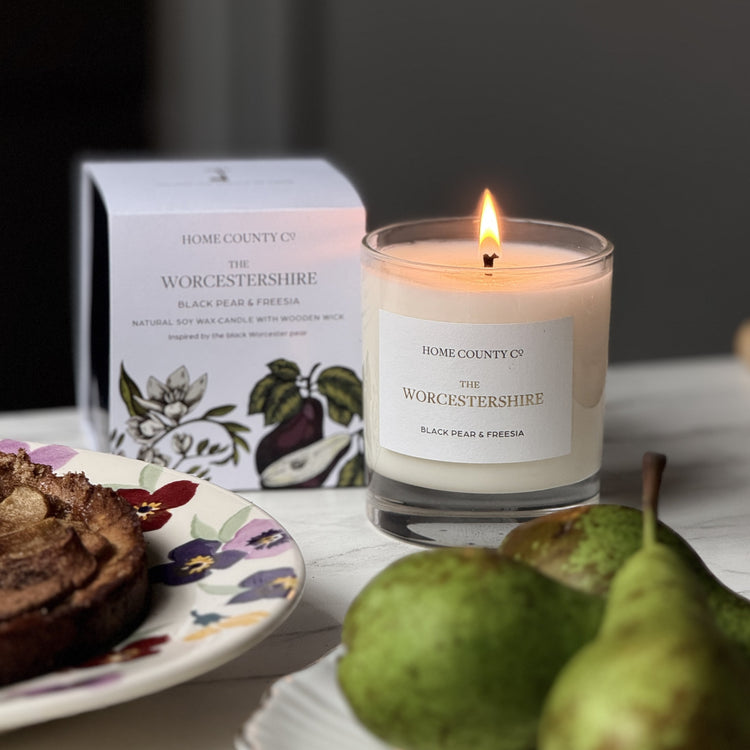
An hour before bed, you’ll benefit from putting your phone away and dimming the lights- perhaps even lighting a candle. As we know, light signals daytime for your internal body clock, so by reducing the light you’re exposed to in the evenings, you let your body know that the day is coming to an end.
Equally important as light is temperature; our body temperature naturally dips as we shift into sleep, so replicating this effect can help signal to our body that it’s bed time.
One way of doing this is to take a warm bath before bed; submerging your body in warm water will raise your body temperature for the duration of your bath, and when you step out of the tub, your temperature will drop. Not only does this shift in temperature encourage your body to begin shutting down for the night, but the combination of warm water and soothing bath products can release muscle tension and help you sleep more comfortably. [7,8]
-
The Coast - Sea Salt and Wood Sage Bath Salts
 The Coast - Sea Salt and Wood Sage Bath Salts
- Regular price
-
From €16,95 - Regular price
-
- Sale price
-
From €16,95
Quick view
-
The Meadows - Peony and Wildflowers Bath Salts
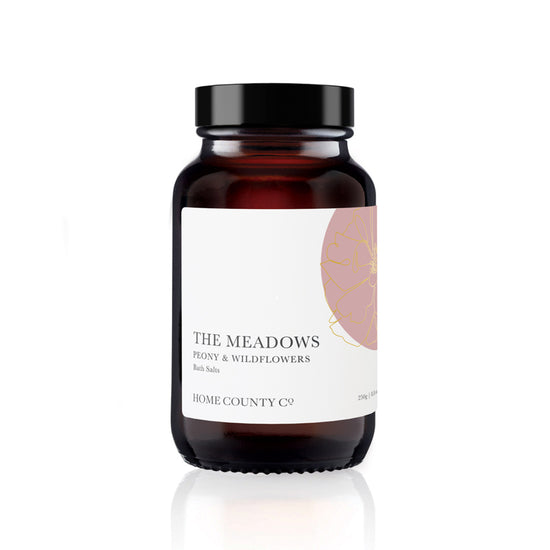 The Meadows - Peony and Wildflowers Bath Salts
- Regular price
-
From €16,95 - Regular price
-
- Sale price
-
From €16,95
Quick view
-
The Orchards - Fresh Fig and Apples Bath Salts
 The Orchards - Fresh Fig and Apples Bath Salts
- Regular price
-
From €16,95 - Regular price
-
- Sale price
-
From €16,95
Quick view
-
The Woodlands - Cedarwood and Jasmine Bath Salts
 The Woodlands - Cedarwood and Jasmine Bath Salts
- Regular price
-
From €16,95 - Regular price
-
- Sale price
-
From €16,95
Quick view
How We're Showing Up In 2026
This January we’re working with the natural rhythm of nature instead of against it. We’re taking our cues from the environment, and instead of becoming something new this month, we’re returning to our most natural form.
By stripping everything back to basics and adopting a simple but consistent daily routine, you’ll find that you enter spring feeling rejuvenated instead of burnt out. Come March, you will feel ready to rise with nature and begin working toward your more ambitious goals for the year.
For now, join us in prioritising gentle exercise, a regular sleep-wake cycle, and plenty of self care evenings…


Please note that the information provided in the above blog post is for general informational and educational purpose, but does not constitute medical advice. Always seek the advice of a qualified healthcare provider with any questions you have about a medical condition and/or your general health.
Wishing you all a happy new year, and a 2026 filled with love, happiness, and good health ♥